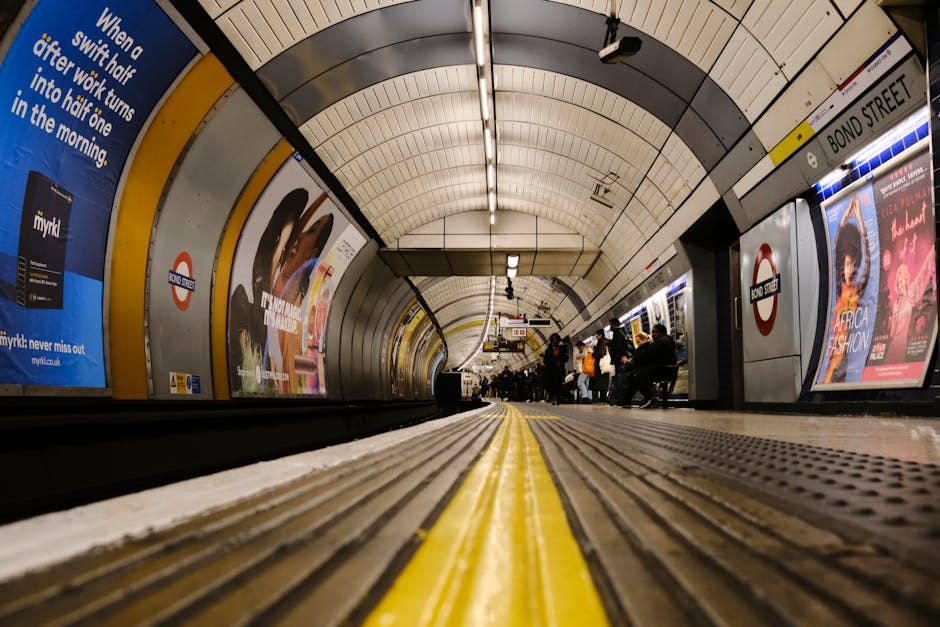
Ickenham Tube Station Rubbish Removal Tips for Commuters
Trying to deal with rubbish around a busy commute is rarely glamorous. One minute you are checking the platform board at Ickenham, the next you are carrying a dead battery, a broken umbrella, a takeaway bag that has somehow multiplied overnight, and wondering where on earth it should all go. These Ickenham tube station rubbish removal tips for commuters are here to make that daily shuffle simpler, cleaner, and a bit less stressful.
The goal is not just to "throw things away". It is to stay tidy, move quickly, avoid fines or awkward mistakes, and handle waste in a way that actually fits real commuter life. If you travel through Ickenham regularly, work nearby, or just want to stop rubbish building up in your bag, this guide will walk you through what to do, what not to do, and when a proper collection service is the smarter choice. Truth be told, the smallest bit of planning saves the most hassle.
Why Ickenham tube station rubbish removal tips for commuters Matters
Commuters generate a surprising amount of waste. Coffee cups, snack wrappers, newspapers, broken packaging, office handouts, worn-out headphones, and the odd household item that has been in your bag for three days because "I'll deal with it later". The issue is not just mess. It is timing, space, and responsibility.
At a station environment, rubbish left on benches, tucked near entrances, or abandoned on the go can become a nuisance quickly. It attracts more litter, creates safety issues, and makes everyone's journey feel a little less pleasant. You will notice how fast a small pile becomes someone else's problem. That is usually how these things go, unfortunately.
There is also the practical side. If you are commuting with waste from home, from a flat move, or from a small office, you cannot always rely on a nearby bin being big enough or suitable for everything. Some items need separate handling, and some should never go in public litter bins at all. That includes things like broken glass, sharp metal edges, small electricals, and anything potentially hazardous.
Put simply, good commuter rubbish removal is about convenience, safety, and respect for shared spaces. It helps you move lighter, stay organised, and avoid the "where do I put this now?" moment that tends to happen right when the train arrives. Rubbish has a way of becoming urgent at the worst possible second.
Expert summary: the best rubbish removal routine for commuters is the one you can actually stick to. Keep it simple, separate troublesome items early, and choose the disposal route before the bag starts overflowing.
How Ickenham tube station rubbish removal tips for commuters Works
In practice, commuter rubbish removal works in one of three ways. You either carry out a small amount of daily disposal, store waste safely until you reach the right disposal point, or arrange a collection for items that are too bulky, too awkward, or not suitable for normal bins. That sounds obvious, but it helps to decide in advance.
For small, everyday rubbish, the best approach is to sort it before you leave home. Paper and card can be folded flat. Food waste should be sealed if you are carrying it for any length of time. Recycling should be kept separate from general waste where possible. It takes seconds, but it stops the bag becoming a smelly, mixed-up mess by lunchtime.
For larger items, such as a broken chair, old suitcase, unused monitor, or even a mattress after a move, public bins are not the answer. This is where a dedicated waste removal service is usually the more sensible route. If you are also dealing with household clutter, items from a flat move, or office clear-out materials, a broader service like waste removal can be the cleanest way to clear it all in one go. For furniture, a specialist route such as furniture disposal may be the better fit.
The process is usually straightforward: separate your items, check what needs special handling, decide whether you can transport it safely, and book the right collection if needed. That final step is where people often hesitate. To be fair, it is easy to put off, especially when the item is awkward and the commute is already full enough.
One small but important point: not all waste behaves the same. A dry cardboard box is very different from a leaking takeaway container or an old appliance. Treating everything as "just rubbish" is how people end up with spills, smells, and regrettable train carriage moments.
Key Benefits and Practical Advantages
Keeping on top of station-area rubbish removal is not only about appearance. It has real practical benefits for commuters, local businesses, and anyone passing through the area on a regular basis.
- Less stress during travel: when your waste is sorted, you are not juggling random items on the platform or in the carriage.
- Cleaner bags and coats: no more mystery crumbs, damp packaging, or sharp little bits lurking in your rucksack.
- Better hygiene: sealed and separated rubbish is far less likely to smell or leak.
- Faster decision-making: if you already know what to do with each type of item, you stop overthinking it on the day.
- Reduced risk of mistakes: hazardous, electrical, and bulky waste need different handling, and pre-sorting helps you avoid the wrong bin.
- More space at home: little piles of "commuter clutter" tend to spread into hall tables, porches, and kitchen counters.
There is also a mental benefit that gets overlooked. A tidy commute feels calmer. It is a small thing, but not really. If your bag is lighter and your route home is less cluttered, the day ends better. Simple as that.
For people who are clearing a lot at once, combining commuter waste with a larger home tidy can be more efficient. Services such as home clearance, flat clearance, or house clearance can help when the "just a few bits" stage has quietly turned into a full-scale declutter.
Who This Is For and When It Makes Sense
This topic is useful for more people than you might expect. If you travel through Ickenham tube station regularly, you probably already deal with some version of commuter rubbish management, even if you have never called it that.
It makes sense for:
- Daily commuters carrying breakfast packaging, lunch waste, or documents they no longer need.
- Students and trainees moving between home, campus, and work placements.
- Local residents who pass through the station and want a tidy routine for small waste items.
- Office workers bringing shredded papers, packaging, or dead office bits back and forth.
- People moving home who need to dispose of packaging, unwanted items, or lightweight clutter on the way.
- Landlords and tenants dealing with post-move rubbish or leftover household junk.
It makes even more sense when rubbish starts becoming "temporary storage". You know the sort of thing: old receipts in a coat pocket, a broken charger in a laptop sleeve, a plastic bag with three different categories of waste and no obvious plan. That is the moment to tidy the system before it becomes annoying.
If you are carrying items that contain personal data, such as old paperwork, bank letters, or confidential office materials, it is safer to handle them separately. A service like confidential shredding is the more responsible option for documents that should not be binned casually.
Step-by-Step Guidance
Here is a simple, commuter-friendly routine that actually works. Nothing fancy. Just a clean process you can repeat without much thought.
- Sort waste before you leave. Separate general rubbish, recycling, food waste, paper, and anything bulky.
- Check for special items. Batteries, small electricals, aerosols, sharp items, and appliances need extra care.
- Seal anything messy. Leak-prone or food-related waste should be tied up securely so it does not leak in your bag.
- Flatten what you can. Cardboard and packaging take less room when compressed.
- Keep dangerous items out of public bins. If it can cut, leak, or contaminate, treat it differently.
- Decide whether you can carry it safely. If the item is bulky, heavy, or awkward, do not force the commute to do the job of a waste truck.
- Book a suitable collection if needed. For bigger clear-outs, use a dedicated provider rather than trying to improvise.
- Follow through the same day. The longer rubbish sits around, the less pleasant it gets. Smells, spills, and general chaos. No one wants that.
If the waste is tied to a recent home project or refurbishment, you may also need a service that handles mixed loads. Builders waste clearance is often the right fit for rubble, packaging, and renovation debris, while garage clearance can help if the junk has spread beyond the station routine and into storage spaces at home.
For bulky domestic items like an old bed or sofa, targeted services can make the handover much easier. mattress and sofa disposal is a better route than trying to drag large furniture through a commute and hoping for the best. Let's face it, that plan usually ends badly.
Expert Tips for Better Results
Small systems beat heroic effort. Every time. The most reliable commuter waste routines are the ones that remove guesswork.
Use one "exit bag" for waste from the day. Keep a separate pouch or compartment for small rubbish until you can dispose of it properly. That stops clean items and waste from mixing. A tiny habit, but useful.
Carry one fold-flat reusable bag. It helps if you need to move recycling, packaging, or a light item without turning your main bag into a bin.
Keep an eye on wet waste. A half-finished drink or food container can leak at the worst possible moment. If you have ever discovered that smell in your bag at 7:45 in the morning, you will not forget it in a hurry.
Know your "no-go" items. Fridges, freezers, gas-related items, paints, chemicals, sharp metal, and old appliances need more than casual disposal. For electrical items or white goods, a specialist such as fridge and appliance removal can be the safer option.
Batch your disposal. If you commute several days a week, do not make decisions item by item. Set one rule for the week. For example: paper goes home for shredding, packaging gets flattened, and anything bulky is booked for collection by Friday. Easy to remember, easier to keep.
Plan around your busiest days. On days when trains are crowded and time is tight, do not add unnecessary waste handling to the mix. If a collection can wait until a calmer day, let it wait. That is not laziness; it is common sense.
And one little note from experience: people tend to underestimate how much waste comes from "small" purchases. A lunch deal here, an online order there, and suddenly you have a pile of packaging that looks far more committed than you do.
Common Mistakes to Avoid
Most commuter rubbish problems come from a few repeat mistakes. Avoid these and you are already ahead.
- Using the nearest bin for everything. Public bins are not suitable for bulky, sharp, or hazardous items.
- Mixing wet and dry waste. This creates smell, mess, and a recycling headache.
- Leaving waste in shared spaces. Stairwells, station corners, and benches are not temporary storage.
- Forgetting special items. Batteries, appliances, and confidential papers should be handled properly.
- Overstuffing bags. If it looks like the bag is about to split, it probably will. Bags always know.
- Putting off disposal for "later". Later often means never, and never means clutter.
Another common mistake is assuming all removal services are the same. They are not. Some are better for household clutter, some for office items, some for heavier waste, and some for specific materials. Matching the service to the waste is what keeps the job efficient and compliant.
For work-related rubbish, especially if you are clearing out a small office or working space near the station, office clearance and business waste removal are worth considering. That can save time and keep your routine tidy without dragging corporate clutter onto the train, which is nobody's idea of fun.
Tools, Resources and Recommendations
You do not need much to get organised, but a few small tools make a big difference.
| Tool or Resource | Why it helps | Best for |
|---|---|---|
| Reusable tote or foldable bag | Separates light waste from clean belongings | Daily commuters |
| Small sealable liners | Contains smell and leaks | Food waste and damp packaging |
| Labelled home sorting box | Makes waste sorting automatic | Households with regular commuting |
| Cardboard cutter or scissors | Helps flatten packaging safely | Online shoppers and movers |
| Collection booking service | Removes bulky waste without guesswork | Large items and clear-outs |
If you are comparing disposal options, it can help to read about recycling and sustainability before deciding what should be reused, separated, or collected. A more thoughtful approach often means less waste overall, which is the ideal, really.
For people unsure what is safe to place in a container or mixed load, what can go in a skip is a helpful reference point, even if you are not hiring a skip. The basic principle still matters: not everything belongs in the same pile.
If you are looking at price, service scope, or what a collection includes, pricing and quotes is the sort of page you would usually check first. It helps you compare options with a bit more confidence and fewer assumptions.
Law, Compliance, Standards, or Best Practice
For commuter rubbish removal, the main principle is simple: dispose of waste responsibly and do not place items where they could harm people, block access, or create a nuisance. In the UK, waste handling expectations are fairly straightforward in everyday terms, even if the paperwork behind it can get a bit dry.
Best practice means separating waste sensibly, keeping hazardous materials out of ordinary disposal routes, and using proper collection methods for larger or specialist items. If you are dealing with business waste, confidential papers, electrical equipment, or potentially hazardous contents, it is especially important to choose a service that understands safe handling.
At a practical level, that means:
- not leaving rubbish in public areas,
- not mixing ordinary waste with hazardous items,
- storing items so they cannot leak, spill, or cause injury,
- and using the correct collection route for the material involved.
If a service provider handles your items, it is also sensible to check how they approach insurance, handling, and safety. Pages such as insurance and safety and health and safety policy are the sort of trust signals people often overlook until they need them. Better to look early than regret it later.
There is also an ethical side. Responsible waste handling should support recycling where possible and avoid careless dumping. That is where good practice and common decency overlap quite neatly.
Options, Methods, or Comparison Table
There is no single "best" method for every commuter. It depends on the amount of waste, how quickly you need it gone, and what kind of items you are dealing with.
| Method | Best for | Pros | Limitations |
|---|---|---|---|
| Carry and bin small waste | Wrappers, receipts, light packaging | Fast, simple, no booking needed | Not suitable for bulky or special items |
| Home sorting and later disposal | Mixed household waste | Keeps commute clean and manageable | Needs a bit of discipline |
| Specialist item removal | Appliances, mattresses, sofas, large furniture | Safer and more efficient | Requires arranging collection |
| Full clearance service | Moves, declutters, office or flat clear-outs | Handles multiple items in one visit | Usually best for larger jobs |
For bigger jobs, choosing a tailored service is usually more efficient than trying to manage everything in a series of improvised trips. Furniture and bulky household items are a good example. Furniture clearance is a strong option when you want a quick and orderly way to remove multiple pieces at once.
If your rubbish mainly comes from a move, an end-of-tenancy clean, or a major sort-out, loft clearance can be useful for those hard-to-reach items that have been sitting around for years. The odd attic mystery box tends to reappear at the worst time, does it not?
Case Study or Real-World Example
Imagine a commuter who lives locally and works in central London three days a week. Over a month, they end up with a mixture of coffee cups, packaging from online orders, an old printer cable, and a broken chair waiting by the front door. None of it is urgent on its own. Together, it becomes clutter.
At first, the routine is messy. A few bits go into the wrong bin, the cardboard pile keeps shifting around, and the chair gets moved from room to room like it is part of the furniture now. After that, the commuter changes tack: they keep a small rubbish pouch in their work bag, flatten packaging at home before leaving, and set one day aside for the chair and the old cable.
The result is not dramatic, but it is noticeable. Their bag is lighter, the flat feels clearer, and the waste is dealt with before it becomes a nuisance. A small win, but a genuine one. That is usually what good rubbish removal looks like in real life: not heroic, just organised.
When the chair and a few other bulky items are ready to go, a removal service saves a lot of carrying, awkward lifting, and second-guessing. If the waste extends beyond one item, home clearance or a more specific disposal service is often the cleaner finish.
Practical Checklist
Use this before your next commute or before you book a collection. It keeps the process calm and tidy.
- Separate rubbish, recycling, and food waste before leaving home.
- Seal anything damp, smelly, sharp, or likely to leak.
- Keep batteries, appliances, and confidential papers apart.
- Flatten cardboard and bulky packaging where possible.
- Do not put hazardous items into public bins.
- Check whether the item needs specialist removal.
- Decide now, not later, where each type of waste will go.
- Use a collection service for large, awkward, or mixed waste loads.
- Review the provider's approach to safety and recycling.
- Dispose of everything as soon as practical so it does not build up.
If you have a project at home, in a garage, or around a garden, it can help to think beyond the commute and clear the bigger source of clutter too. That is often where the real mess starts. Garden clearance and garage clearance are good examples of services that stop waste from migrating into your weekly travel routine.
Conclusion
Good commuter rubbish management is not complicated, but it does reward a bit of thought. Around Ickenham tube station, the smartest approach is to keep waste sorted, move it safely, and use the right disposal route before small items become a bigger problem. That saves time, avoids hassle, and keeps your day feeling cleaner from the start.
The main thing to remember is this: not every item should travel with you, and not every bin is the right bin. Once you get into a simple routine, rubbish stops being a daily irritation and starts becoming just another thing you handle properly. Which is exactly how it should be.
Get a free quote today and see how much you can save.
If you are dealing with more than a few bits and pieces, the safest next step is to compare your options, check the service details, and choose the removal method that matches the waste rather than forcing the waste to fit your commute. A little order goes a long way, honestly.
Frequently Asked Questions
What is the best way to handle rubbish when commuting through Ickenham tube station?
The best approach is to sort waste before you leave home, keep small items sealed in a separate bag or pouch, and use proper disposal routes for anything bulky, sharp, or messy. That keeps your commute cleaner and reduces the risk of mistakes.
Can I throw food waste into a public bin at the station?
For small amounts, yes, if the bin is suitable and the waste is safely contained. But if the food waste is leaking, smelly, or likely to attract pests, it is better to seal it and dispose of it as soon as possible in an appropriate bin at home or elsewhere.
What should I do with broken electronics or chargers?
Keep them separate from general rubbish. Small electricals often need special handling, especially if they contain batteries or damaged components. Do not leave them loose in your bag if there is any risk of damage or short-circuiting.
Is it worth booking a rubbish removal service for just one bulky item?
Often, yes. If the item is heavy, awkward, or hard to move safely, a dedicated collection can save time and reduce strain. It is usually more sensible than trying to transport it on public transport.
How can I stop rubbish from smelling in my work bag?
Use sealable liners, keep wet waste separate, and avoid mixing food leftovers with paper or fabric. If possible, dispose of food-related waste before it sits for long. Smell builds up faster than people expect.
What items should never go into a normal bin?
Hazardous materials, batteries, sharp metal, large appliances, and anything that could leak or injure someone should not go into a normal public bin. Those items need the right disposal route.
Do I need a specialist service for furniture removal?
If the furniture is bulky, damaged, or more than you can safely manage, yes. Services such as furniture clearance or mattress and sofa disposal are designed for those larger items and are much easier than trying to handle them as ordinary rubbish.
What is the difference between waste removal and household clearance?
Waste removal is usually broader and can cover mixed waste loads, while household clearance focuses more on contents from homes, flats, or rooms that need emptying. The right choice depends on what you are clearing and how much there is.
How do I know if my waste is suitable for recycling?
If it is clean, dry, and made of a recyclable material such as certain paper, card, plastics, or metal, it may be suitable. If it is contaminated with food, liquid, or other residues, it may no longer be recyclable in the normal sense.
Can I clear office rubbish through a commuter routine?
Only for very small amounts, and only if they are safe to carry. For regular or larger office waste, office clearance or business waste removal is the more practical route. It keeps the process tidy and avoids turning your commute into a moving day.
What should I check before choosing a waste removal company?
Check what kinds of waste they handle, whether they mention safety and insurance, how they treat recycling, and whether the service matches the size of your job. A good provider should make the process clear, not confusing.
How can I keep commuter rubbish under control long term?
Build a simple habit: sort waste daily, empty small items regularly, and book collection for anything that starts to outgrow your bins. The best system is the one you barely have to think about. Once it clicks, it really does make life easier.