Commercial Waste Ickenham: Recycling and Sustainability
 Commercial Waste Ickenham is committed to creating an eco-friendly waste disposal area that supports local businesses and the wider community. Our approach to Ickenham commercial waste services blends practical collection routines with a focus on reducing carbon emissions, increasing recycling rates, and building a true sustainable rubbish area across the town centre and business parks.
We set a clear recycling percentage target: 70% diversion from landfill by 2030 for commercial waste in Ickenham. This target drives everything from staff training to the design of waste streams, ensuring that glass, paper, card, metals, and allowed plastics are captured efficiently and that food and organic waste are treated separately for composting or anaerobic digestion.
How the borough's systems shape our service
The London Borough of Hillingdon's approach to waste separation informs our operations: clear segregation of dry recyclables, organics and residual waste makes private collections more effective. By aligning with local collection colours and sorting rules we reduce contamination and speed up processing at local transfer facilities.Local transfer stations and processing partners
Our routes are planned around nearby transfer stations so that commercial collections quickly reach processing hubs. Collections from Ickenham often use the Hillingdon Transfer Station and nearby West London transfer facilities to consolidate loads, improving vehicle efficiency and reducing unnecessary miles. These hubs enable higher throughput to materials recovery facilities (MRFs) and composting sites.To support an effective eco-friendly waste disposal area, we track contamination rates and report back to clients. When businesses reduce contamination they help achieve the 70% recycling target and lower costs associated with sorting and disposal.
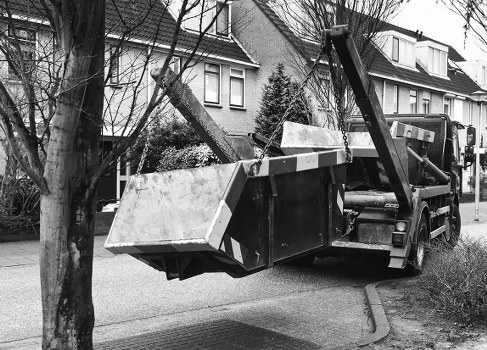 Low-carbon vans and quieter collections are central to our sustainability plan. We operate a growing fleet of electric and hybrid vans for short urban runs, supplemented by Euro-6 compliant vehicles for heavier loads. These low-emission vehicles mean less local air pollution and contribute to a smaller carbon footprint for Ickenham commercial waste operations.
Building circular value in a sustainable rubbish area means turning what was once waste into resource streams. For example, commercial food waste is either composted locally or sent to anaerobic digestion where it becomes energy and digestate for soil improvement. Cardboard and paper are baled and sold to recycling processors, while mixed metals and glass are recovered to enter secondary manufacturing cycles.
To further support local reuse, we have active partnerships with charities and social enterprises. Out-of-date but safe non-perishable food items, working office furniture, and wearable textiles from commercial clearances are diverted to charitable partners. These collaborations reduce landfill, support vulnerable residents, and strengthen community ties.
Partnerships with charities and community groups:
- Local food banks and redistribution networks for surplus edible goods
- Furniture and electronics charities for reuse and refurbishment
- Community recycling events coordinated with borough campaigns
Our commercial waste in Ickenham service also offers tailored waste audits and bespoke bin systems so each business contributes positively to the sustainable rubbish area. Audits identify high-volume waste streams and recommend practical separation, containerisation, and signage that match Hillingdon’s guidance and local collection patterns.
We emphasise staff engagement: short training sessions, clear do-and-don't checklists, and visual labels reduce contamination and increase recycling rates quickly. Business owners who adopt these simple measures see measurable improvements within one to two collection cycles.
Operational benefits and measurable targets
Reducing waste to landfill and increasing recycling brings clear benefits: lower disposal costs, compliance with local regulations, and stronger sustainability credentials. Our performance dashboards report progress toward the 70% recycling percentage target and show reductions in transport emissions thanks to electric vans and route optimisation.
Creating a resilient, low-carbon future for Ickenham
In summary, a thriving eco-friendly waste disposal area in Ickenham relies on coordinated collection, modern low-carbon vehicles, local transfer station access, and strong charity partnerships that prioritise reuse. By targeting 70% recycling by 2030, aligning with the borough's waste-separation approach, and investing in electric and hybrid vans, Commercial Waste Ickenham supports businesses in reducing environmental impact while contributing to a sustainable local economy.Next steps for businesses: trial segregated streams, engage with partner charities for reuse, and request a waste audit to see how small operational changes create big sustainability gains for the whole community.
Together, the Ickenham commercial waste community can transform rubbish into resource, achieve ambitious recycling targets, and maintain a low-carbon, resilient model for urban waste management.
