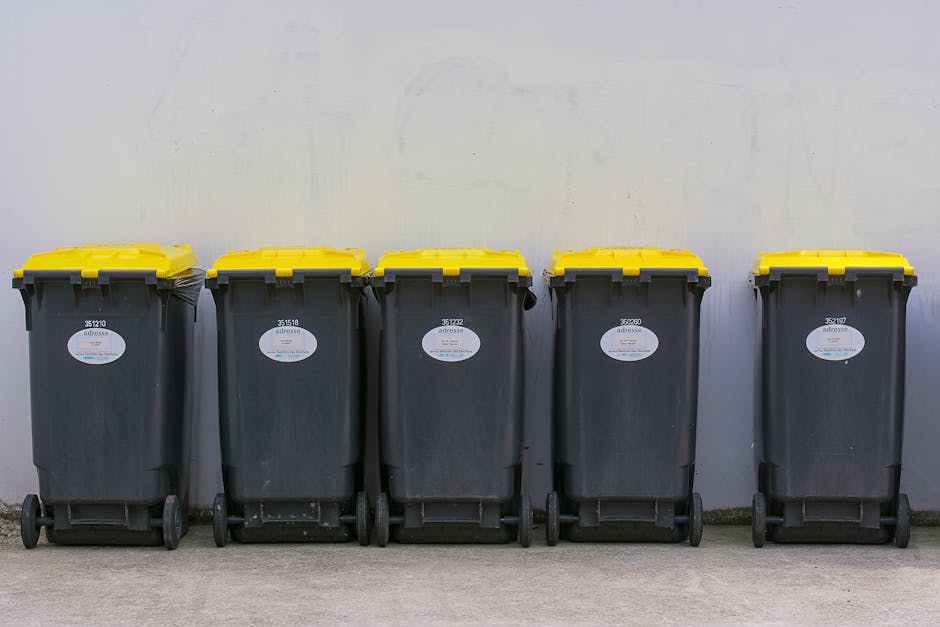
Rubbish collection guide Ickenham High Road UB10
If you need a rubbish collection guide for Ickenham High Road UB10, you are probably dealing with the same thing many local residents and businesses face: a pile of waste that is too much for the bin, too awkward for the car, and too urgent to leave sitting around. Maybe it is builder's rubble after a small refurb, a broken wardrobe in the hallway, or the sort of mixed junk that quietly grows in a garage until one Saturday you finally stare at it and think, right, enough now.
This guide walks you through how rubbish collection works on and around Ickenham High Road, what to expect, what to avoid, and how to choose the most sensible option for your situation. It also covers practical details that people often miss first time round, like separation of hazardous items, access constraints, timing, and how to prepare waste so collection is faster and cleaner. A bit of planning goes a long way, truth be told.
If you want a broader overview of disposal options, you may also find the site's waste removal services and recycling and sustainability guidance useful while you compare routes.
Contents
- Why Rubbish collection guide Ickenham High Road UB10 Matters
- How Rubbish collection guide Ickenham High Road UB10 Works
- Key Benefits and Practical Advantages
- Who This Is For and When It Makes Sense
- Step-by-Step Guidance
- Expert Tips for Better Results
- Common Mistakes to Avoid
- Tools, Resources and Recommendations
- Law, Compliance, Standards, or Best Practice
- Options, Methods, or Comparison Table
- Case Study or Real-World Example
- Practical Checklist
- Conclusion
- Frequently Asked Questions
Why Rubbish collection guide Ickenham High Road UB10 Matters
Ickenham High Road sits in one of those busy suburban corridors where waste can become a nuisance very quickly. Traffic, parking pressure, narrow access in some side roads, and the simple fact that people live and work close together all mean rubbish left out too long can create problems. Bags split. Odours build. Cardboard gets soggy in the rain. You know the scene.
For households, the guide matters because one-off clearances are rarely as straightforward as a normal bin day. For businesses, the stakes are higher still. Stockroom waste, packaging, old office furniture, and daily commercial waste need to be handled in a way that keeps the premises tidy and avoids disruption. If you run a business, the service route often sits somewhere between regular business waste removal and a more ad hoc clearance.
It also matters because rubbish is not all equal. A mixed pile might look harmless, but once you separate out electronics, plasterboard, fridges, paint, sharp metal, or upholstered furniture, the job becomes more specific. That is where a clear guide saves time and prevents avoidable mistakes.
Practical takeaway: the best rubbish collection plan is not simply "get it gone." It is "get it gone safely, legally, and with the least disruption to your day."
How Rubbish collection guide Ickenham High Road UB10 Works
In simple terms, rubbish collection is the process of removing unwanted waste from your property and taking it to a licensed facility for sorting, reuse, recycling, or disposal. In a local setting like Ickenham High Road UB10, the process usually starts with identifying what you have, how much there is, and whether the items are ordinary household waste, commercial waste, bulky waste, or a specialist category.
Here is the basic flow most people follow:
- Assess the waste - make a quick list of what needs to go, including bulky items and anything awkward.
- Separate special items - keep hazardous, electrical, and recyclable items apart where possible.
- Check access - think about parking, stairs, lift access, rear alleys, and loading distance.
- Choose the right service - a simple collection, a man-and-van style load, a clearance team, or a specialist disposal route.
- Confirm pricing and timings - some jobs are fixed, others depend on volume and item type.
- Prepare the site - move smaller items into one area if you can, and clear a path.
- Collection and disposal - the waste is taken away and processed appropriately.
For bigger household jobs, the difference between an ordinary uplift and a full clearance can be quite noticeable. If you are emptying a flat, garage, loft, or house, the related pages on flat clearance, garage clearance, and loft clearance give a good sense of how more complex removals are usually handled.
Sometimes a collection is really just part of a bigger tidy-up. In that case, services such as home clearance or house clearance can be more efficient than booking several smaller collections. Not glamorous, but effective.
Key Benefits and Practical Advantages
The obvious benefit is that the clutter disappears. But there is more to it than a cleaner driveway or a hallway that you can finally walk through without side-stepping a broken chair.
- Less disruption: one organised collection is usually easier than multiple trips to a tip or repeated bin juggling.
- Safer spaces: removing sharp, heavy, or unstable waste reduces trip hazards and injuries.
- Better presentation: this matters for landlords, offices, shops, letting agents, and anyone preparing a property for sale or handover.
- More appropriate handling: recyclable, reusable, and specialist waste can be separated rather than thrown into a mixed pile.
- Time saved: probably the biggest one. Time spent loading, unloading, and queueing is time you do not get back.
- More certainty: a proper collection gives you a clearer finish line. The job is done, not half-done.
There is also a practical environmental angle. Choosing a collector that sorts waste responsibly can reduce what ends up in general disposal routes. If sustainability is part of your decision, the page on recycling and sustainability is worth a look before you book.
One more thing people underestimate: emotional relief. Clearing the waste can make a room feel bigger, calmer, less unfinished. Funny how one pile of stuff can keep hanging over you for weeks.
Who This Is For and When It Makes Sense
This guide is relevant if you are a homeowner, tenant, landlord, property manager, tradesperson, office manager, or small business owner near Ickenham High Road UB10. The triggers are usually very ordinary. A move. A renovation. A new appliance. A stock refresh. A deceased estate. A spring clean that turned into a full-on sort-out.
It makes sense to arrange rubbish collection when:
- the waste is too bulky for normal bin collections;
- you have mixed items that need sorting before disposal;
- you need the property cleared quickly;
- access to a skip would be awkward or impractical;
- you want the waste removed from inside the property as well as from outside;
- you are dealing with furniture, appliances, or renovation waste;
- you need a one-off solution rather than an ongoing contract.
For example, if a flat in the UB10 area has an old sofa, a broken chest of drawers, and a few bags of general rubbish after a tenancy ends, a combined collection can be more sensible than arranging separate disposal for each item. The same logic applies to offices with old desks, boxed files, and packaging waste. In those situations, office clearance can be a cleaner fit than piecemeal removal.
If you are dealing with a house that has accumulated items over years, then a more comprehensive service such as house clearance often feels less stressful than trying to organise it in stages. Sometimes the simplest route is simply the least painful one.
Step-by-Step Guidance
If you want the process to run smoothly, treat it like a small project rather than a rushed favour to future-you.
1. Identify what needs removing
Walk through the space and separate items into categories: general rubbish, bulky waste, reusable furniture, electrical items, garden waste, building waste, and anything hazardous. Take a few photos if the load is large. That helps when estimating time or volume.
2. Pull out anything restricted
Do not mix in chemicals, asbestos-containing materials, gas cylinders, or unknown liquids. If you are unsure about a product or item, stop and check. A good rule is: if it seems risky, it probably needs special handling.
3. Measure access realistically
Think about where the collection vehicle can stop, how far items need carrying, whether there are stairs, and if there is a tight turn or a narrow gate. This small step can save a lot of awkwardness on the day. And yes, it is the sort of detail people remember only after the van arrives.
4. Ask about item types and disposal route
Not all waste is processed in the same way. Furniture, mattresses, fridges, and builder's debris may need different handling. If you have an old appliance, the dedicated fridge and appliance removal page is a useful reference. For worn-out beds or sofas, see mattress and sofa disposal.
5. Confirm the quote and any exclusions
A proper quote should reflect the volume, type of waste, access conditions, and any special items. If a price sounds vague, ask what is included. Loading? Labour? Disposal? Travel? The more clarity upfront, the less friction later.
6. Prepare the waste if you can
Stack similar items together. Flatten cardboard. Bag loose rubbish. Keep sharp fragments boxed or wrapped. This is not about making the job perfect; it is about making it quicker and safer.
7. Keep paperwork or confirmation details
If you are using a commercial service, keep booking confirmation, collection notes, and invoice details. For businesses, that sort of record keeping is just sensible, and sometimes essential.
Expert Tips for Better Results
Small improvements can make a surprisingly big difference. Here are the practical bits that tend to separate a smooth collection from a messy one.
- Sort before you book: separating waste into broad categories gives a clearer price and usually a cleaner collection.
- Reserve access if needed: on busy roads, a loading space can matter more than people expect.
- Keep heavy items near the exit: if a wardrobe is buried behind five bags of old papers, you are just creating extra handling.
- Label anything questionable: if something might be hazardous, tell the collector before the visit.
- Book earlier in the day if timing is tight: especially if you need the space cleared before contractors arrive, or before a move.
- Think about reuse first: good furniture, fittings, or appliances may be suitable for reuse or separate removal rather than disposal.
A small but useful habit: take "before" photos. Not because you need to prove a point, but because it helps you remember what was removed and what still needs attention. Handy for landlords too.
For any job involving structural or renovation debris, the page on builders waste clearance is useful, especially when you are dealing with plasterboard, broken fixtures, timber offcuts, and general site waste all at once.
Common Mistakes to Avoid
A few easy mistakes can slow things down or raise the cost. Most are avoidable with a little thought.
- Mixing hazardous waste into general rubbish: this is the biggest red flag. It can create safety issues and may require the load to be separated.
- Underestimating volume: a "few bags" has a funny habit of turning into half a van.
- Leaving loose sharp waste unwrapped: glass, metal, and broken wood can injure handlers.
- Ignoring access constraints: if parking is tight, mention it early.
- Assuming all furniture is treated the same: some items need different disposal or recycling routes.
- Forgetting about paperwork for business waste: if you run a company, records matter more than people think.
There is also a behavioural mistake: waiting too long. The longer waste sits around, the more likely it is to become damp, spread out, or attract more "temporary storage" items on top of it. That pile in the corner? It has a talent for growing legs.
Tools, Resources and Recommendations
You do not need fancy gear to organise rubbish collection, but a few simple tools help a lot.
- Strong refuse sacks: useful for mixed light waste, textiles, and small broken items.
- Marker pen and labels: good for separating keep, donate, recycle, and remove piles.
- Gloves and sturdy footwear: basic safety, especially for lofts, garages, and gardens.
- Tape, boxes, and wrap: helpful for glass, wires, and smaller sharp items.
- Phone camera: useful for quote requests and planning.
- Measuring tape: essential if you have bulky items or tight access.
For disposal decisions, some site pages are particularly helpful. If you need to understand what is generally acceptable in containerised disposal, what can go in a skip is a practical reference point, even if you are not actually hiring a skip. And if you want to compare pricing approaches before you commit, look at pricing and quotes.
If your situation involves confidential papers, files, or old records, the page on confidential shredding is relevant. Better to deal with that properly than hope a bin bag will somehow solve it. It won't.
Law, Compliance, Standards, or Best Practice
Waste collection in the UK is not just a matter of convenience; it comes with responsibilities. The exact legal duties depend on whether the waste is household, commercial, or specialist, but a few best-practice points always apply.
Use a responsible collector. Waste should be transferred to a licensed or otherwise appropriate facility. If you are a business, keep records of transfer and disposal where required. That is basic due diligence, and it protects you if questions come up later.
Separate hazardous and specialist waste. Items such as chemicals, certain electricals, batteries, fluorescent tubes, fridges, and some renovation materials may need separate handling. When in doubt, ask before the collection rather than after.
Protect workers and the public. Safe handling matters on busy roads and shared premises. Clear paths, stable stacks, and properly wrapped sharps are all part of good practice. The site's health and safety policy and insurance and safety information are relevant if you want to understand the standards behind a professional service.
Respect property access and shared spaces. In flats, offices, and mixed-use buildings, timing and access often need a little coordination. That is normal. A five-minute chat with neighbours or a building manager can save a lot of bother.
For unusual items, be cautious rather than clever. If waste seems hazardous, contaminated, or legally sensitive, treat it as a specialist issue. That is the sensible approach, even if it means the job takes a bit longer.
Options, Methods, or Comparison Table
Different rubbish collection methods suit different jobs. This comparison can help you decide what makes the most sense for Ickenham High Road UB10.
| Method | Best for | Strengths | Limitations |
|---|---|---|---|
| Bagged waste collection | Light domestic rubbish, decluttering, small clear-outs | Quick, simple, low preparation | Not ideal for bulky items or heavy loads |
| Bulky waste removal | Furniture, mattresses, appliances, large mixed items | Handles awkward items efficiently | May need item-by-item pricing or access checks |
| House or flat clearance | Whole-room or whole-property clearances | More comprehensive, less coordination for the customer | Usually more involved than a simple collection |
| Builder's waste collection | Renovation debris, rubble, timber, fixtures | Suitable for construction-related waste streams | Not for hazardous or prohibited items |
| Regular commercial waste service | Businesses with ongoing waste generation | Predictable, routine, convenient | Not always ideal for one-off bulky clearances |
If the job is mainly one-off clutter, a collection service is often the cleanest option. If you are dealing with a full property or a landlord handover, clearance services may be better. And if you are doing works, builder's waste is its own category, really, not just "general rubbish with extra dust."
Case Study or Real-World Example
Picture a small business near Ickenham High Road that has just refurbished its back office. There is an old desk, two filing cabinets, boxed paperwork, packaging, broken shelving, and a few electrical items that no longer work. The team needs the space clear before Monday morning. Not next week. Monday.
What usually works best in that kind of scenario is a structured approach: separate confidential paperwork for shredding, set aside reusable office furniture, identify any electrical items that need specialist treatment, and group the rest into a single collection pile. If the team also has a storage cupboard full of expired stock or miscellaneous clutter, it can be worth extending the job into a broader office clearance rather than trying to move everything in stages.
The practical win is not just the removal. It is the order that comes after. The floor is visible. The doorway is clear. Staff can move around without squeezing past a pile of bits and pieces that kept "waiting for later."
A homeowner scenario looks different, but the logic is similar. A family clearing out a garage may start with bags of garden waste, a broken freezer, some old chairs, and half a dozen paint tins. The best result usually comes from identifying the special items first, then booking a service that can handle the bulky and mixed waste in one go. Once that is done, the garage often feels like a proper room again, not a storage afterthought.
Practical Checklist
Use this checklist before your collection day. It keeps things moving and helps avoid those last-minute surprises.
- List all items to be removed.
- Separate general rubbish from bulky items.
- Set aside hazardous, confidential, or specialist waste.
- Check whether any items need special disposal, such as fridges or mattresses.
- Measure access routes, stairs, and parking space.
- Bag loose waste and wrap sharp edges.
- Take photos if you need a quote or record.
- Confirm the booking time and any access instructions.
- Keep pets and children away from the work area on collection day.
- Have payment or booking confirmation ready if needed.
If you are preparing a mixed load and want a bit more confidence about what belongs together, the what can go in a skip guide can help you think through categories even when you are using another method.
Conclusion
A good rubbish collection guide for Ickenham High Road UB10 is really about making a busy, messy task feel manageable. Once you know what you have, what needs special handling, and how access works, the rest becomes much easier. You do not need to overcomplicate it. Most jobs become straightforward once the waste is sorted properly and the collection method matches the load.
Whether you are clearing a flat, tidying a garage, emptying a loft, or managing business waste, the smartest move is usually the one that saves time and avoids headaches later. That might mean a one-off uplift, a fuller clearance, or a more specialist disposal route for certain items. Small decisions, yes, but they add up.
If you are weighing up your options, start with the type of waste, the volume, and the access. Those three things tell you almost everything you need to know. And if the job feels bigger than you first thought, that is normal. It happens all the time.
Get a free quote today and see how much you can save.
Sometimes the cleanest result is also the simplest one, and there is a kind of relief in that. A clear space is never just a clear space.
Frequently Asked Questions
What does rubbish collection on Ickenham High Road UB10 usually include?
It normally includes the removal of general rubbish, bulky waste, and mixed household or commercial items from your property, followed by sorting and disposal at the appropriate facility. Exact inclusions depend on the service and the type of waste.
Can I book rubbish collection for just one bulky item?
Yes, many collections are suitable for a single bulky item such as a sofa, wardrobe, mattress, or appliance. The key is whether access is straightforward and whether the item needs special handling.
What should I do with fridges and other appliances?
Fridges and appliances often require separate handling because of their materials and components. It is best to flag them in advance so the collection can be arranged properly.
Is rubbish collection better than hiring a skip?
It depends on the job. Collection is often better for one-off clearances, bulky items, or properties where parking and skip placement are awkward. A skip may suit ongoing renovation work with a steady waste flow.
How do I know if my waste is hazardous?
If it includes chemicals, unknown liquids, certain construction materials, batteries, gas cylinders, or contaminated items, treat it cautiously. When in doubt, ask before mixing it with general waste.
Can businesses on Ickenham High Road use the same service as households?
Sometimes yes, but businesses often need additional record keeping, different waste categories, and more regular scheduling. Commercial waste is usually handled with more structure than household rubbish.
What happens to the waste after collection?
It is usually taken to a facility where it is sorted for reuse, recycling, or disposal. The exact route depends on what the waste is made of and how it has been separated.
How can I make collection day faster?
Sort the waste beforehand, clear access paths, bag loose items, and separate anything special or hazardous. A little prep can save a lot of time on the day.
Do I need to move the rubbish outside before collection?
Not always. Some services collect from inside the property, which is often easier for bulky or heavy items. Still, you should confirm the access arrangements when booking.
Can old furniture be removed with general rubbish?
Often yes, but furniture is usually handled as bulky waste or part of a clearance rather than ordinary bin waste. Larger items like sofas, wardrobes, and bed bases are usually best treated separately.
What if I am clearing a loft or garage full of mixed items?
That is a common scenario, and it usually works better as a clearance rather than a small collection. Mixed items often include things that need sorting, like appliances, textiles, and odd bits of old equipment.
How far in advance should I book?
If the job is time-sensitive, book as early as you can. For a standard collection, a short lead time may be fine, but access, load size, and special items can affect scheduling.
Who should I contact if I need more information before booking?
You can review the site's service pages for the most relevant category, then use the available booking and contact information if you need help matching your waste to the right option. A quick check upfront usually prevents a much longer conversation later.